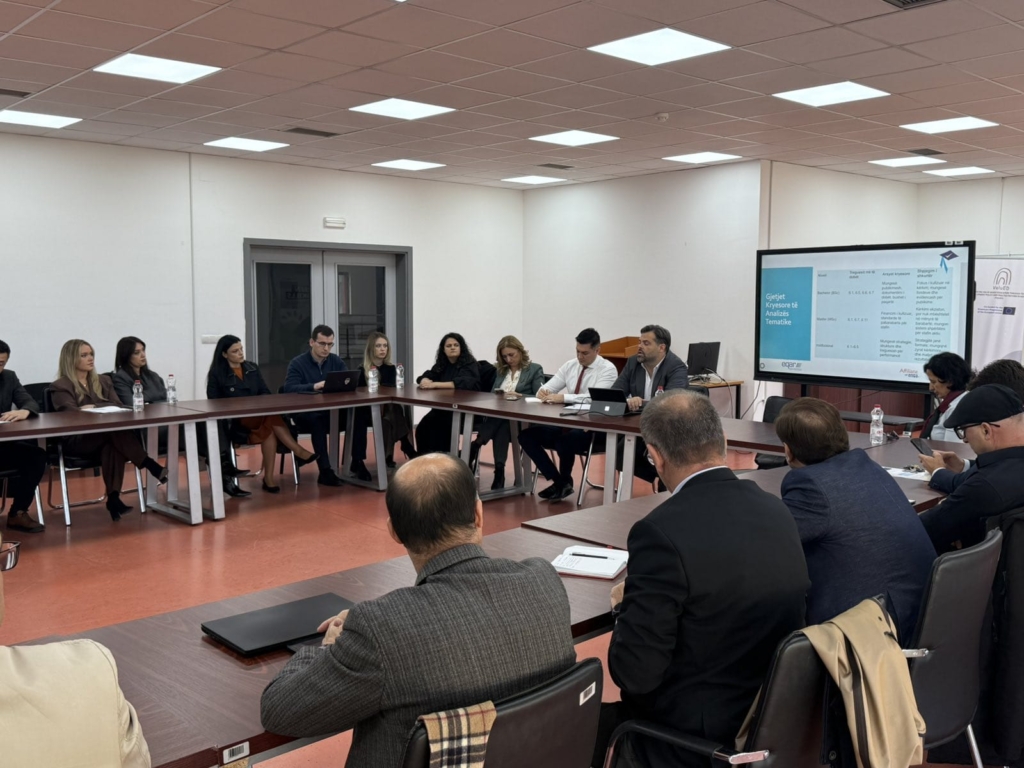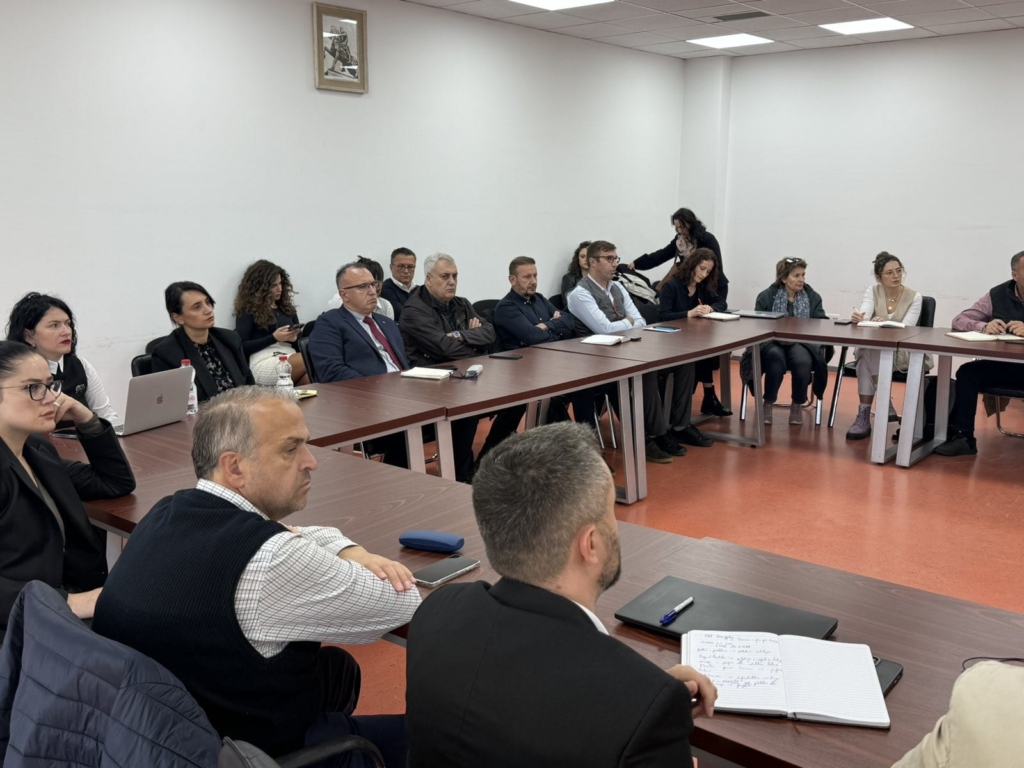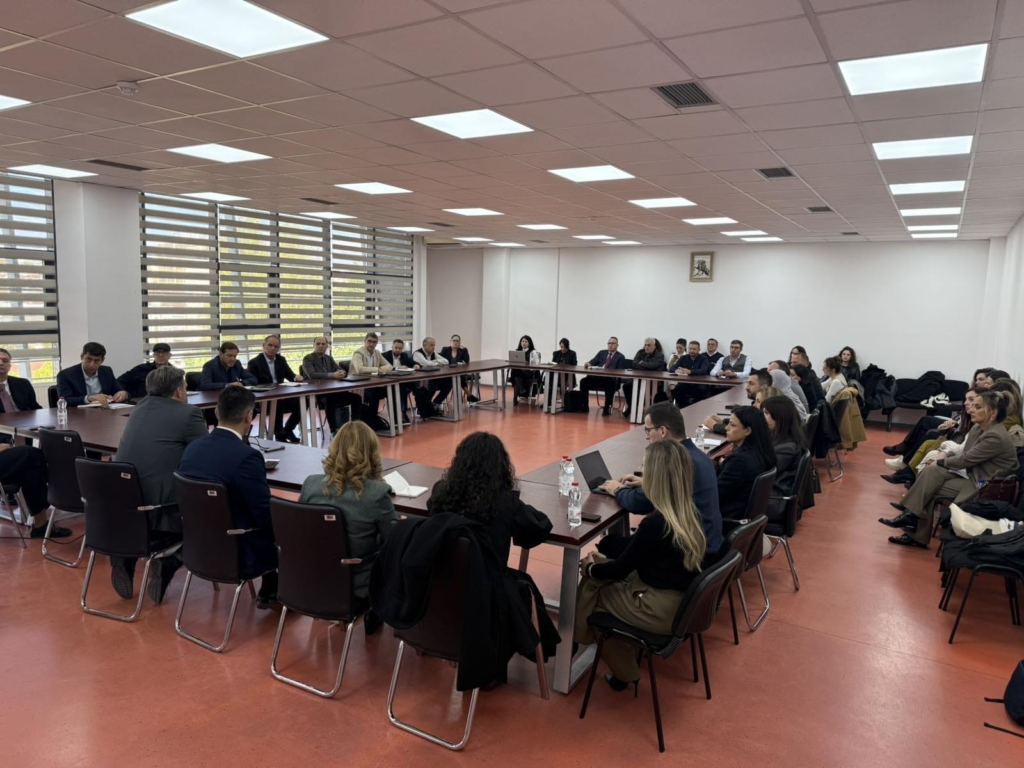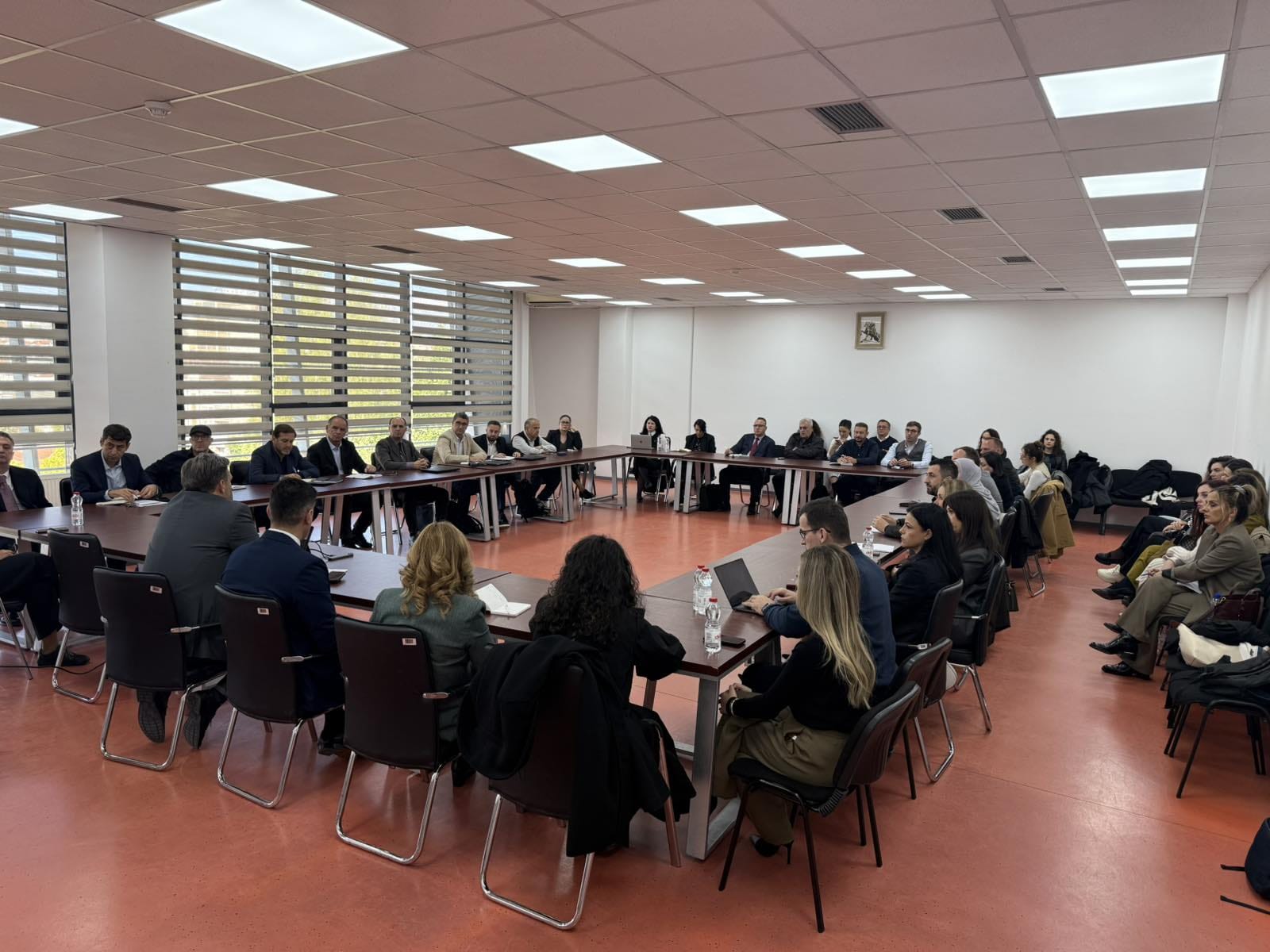
Peja, October 2025
The University “Haxhi Zeka” in Peja welcomes the publication of the latest thematic analysis by the Kosovo Accreditation Agency (KAA), entitled “Enhancing Scientific Research through External Quality Assurance Mechanisms”. The report provides a comprehensive overview of the impact that accreditation processes have had on the development of scientific research in higher education institutions in Kosovo.
Published in 2025, this analysis represents a key strategic document for higher education policymaking in the country, directly linking quality assurance mechanisms with the research performance of both public and private universities. The report clearly demonstrates that the accreditation processes carried out by KAA have transformed scientific research into an essential component of institutional quality, integrating it into curricula, development strategies, and the daily academic work of university staff.
The analysis reviews more than sixty accreditation and reaccreditation reports for study programs at Bachelor’s and Master’s levels, as well as institutional accreditations. It includes data collected from the period 2019–2024 and a survey conducted with sixteen higher education institutions in Kosovo. According to the findings, the number of scientific publications has shown steady growth between 2021 and 2024, with a positive trend toward publications in internationally indexed journals such as Scopus and Web of Science. At the same time, there has been a notable increase in interdisciplinary research engagement among academic staff, along with improvements in institutional policies related to research development and the documentation of scientific results.
The report highlights that the recommendations of KAA expert panels have significantly contributed to raising research standards at the national level. Many universities have established research offices, implemented anti-plagiarism software, allocated dedicated funds for publications, and increasingly engaged students in research and academic publications. These developments have strengthened the culture of academic integrity and transparency, positioning scientific research as a key pillar of the accreditation and quality assurance process. However, the report also notes that progress remains uneven across institutions, with many still facing challenges related to research infrastructure, limited funding, and the absence of integrated strategies for research capacity development.
The document further emphasizes the need to review and harmonize the methodology for evaluating scientific research across all study levels, in order to ensure a more unified and objective interpretation of accreditation standards. Another important finding concerns the process of following up on KAA recommendations by universities, which, although initiated in 2024, requires further strengthening and systematic inclusion in institutional internal quality reports. The report also recommends encouraging the establishment of research offices in all institutions, ensuring sustainable funding schemes for research, promoting international collaborations, and developing digital platforms for documenting scientific outputs.
Another crucial aspect underlined in the analysis is the necessity of policy coordination among the Accreditation Agency, the Ministry of Education, Science, Technology and Innovation, and higher education institutions. Such coordination is expected to ensure harmonized definitions, a shared approach to the evaluation of internationally recognized journals, and alignment of accreditation criteria with national policies for research development. Through these mechanisms, the report suggests that Kosovo can achieve fuller integration into the European Research Area and strengthen its institutional culture of excellence.
In light of this analysis, the University “Haxhi Zeka” regards the publication as a confirmation of the direction it has consistently pursued in recent years—strengthening scientific research and enhancing academic quality. The university has invested in building the research capacities of its staff, establishing internal quality mechanisms, and increasing the number of scientific publications through its Institute for Science and Arts. The establishment of the University Center for Innovation and Entrepreneurship – NOVA, as a new structural unit within the university, reflects UHZ’s commitment to connecting scientific research with economic development and labor market needs. Furthermore, through internal policies encouraging publications in internationally indexed journals, the university continues to contribute to increasing academic visibility and affirming its role as a research-oriented institution with regional impact.
The Rector of the University “Haxhi Zeka”, Prof. Dr. Armand Krasniqi, emphasized that this report marks an important milestone for the entire higher education system in Kosovo, as it provides clear evidence that accreditation processes are transforming the research culture within universities. He noted that for the University “Haxhi Zeka”, scientific research is an integral part of its institutional mission and one of the key pillars of academic quality, innovation, and regional development. According to him, the findings of the analysis reinforce the university’s commitment to further advancement in line with the ESG standards and to consolidating a sustainable culture of quality in research and teaching.
In conclusion, the thematic analysis of the Kosovo Accreditation Agency recognizes that Kosovo’s universities have made significant progress in strengthening scientific research and increasing the international impact of their publications. However, it also stresses that to ensure long-term sustainability, it is essential to build an inclusive research ecosystem that connects quality assurance policies with funding mechanisms and the effective management of scientific results. In this context, the University “Haxhi Zeka” will continue to play an active role in national efforts to enhance quality and integrity in scientific research, contributing through policies, projects, and new academic collaborations both domestically and internationally.